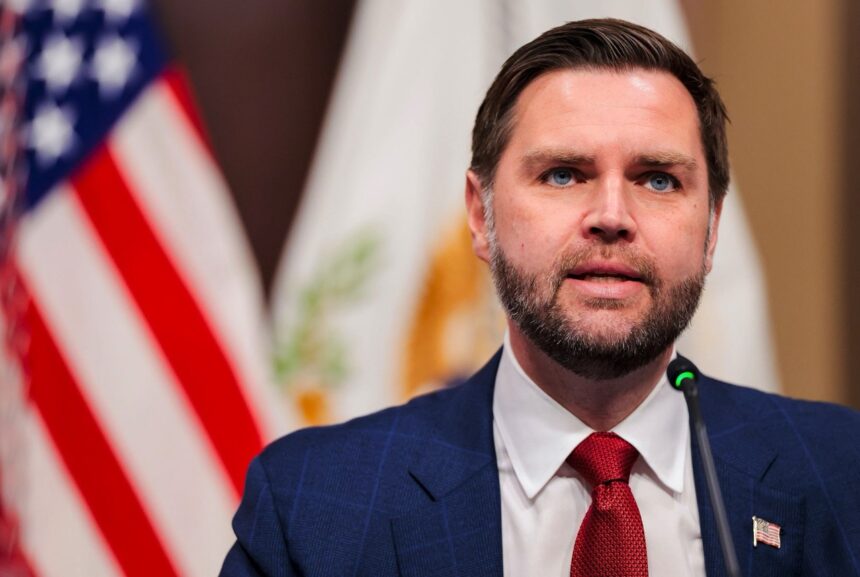
US Vice President JD Vance said Russia’s ability to make further gains through offensive operations in Ukraine has become “vanishingly small” and “close to zero,” crediting Kyiv’s use of drones and surveillance technology with helping create conditions to end the war, Ukrainska Pravda reported, citing an interview with The Sunday Times.
Vance said modern battlefield visibility has made holding ground and wearing down Russian forces more effective than large-scale offensives. He contrasted that with Ukraine’s 2023 counteroffensive, which he described as a strategic and tactical failure.
The remarks come as Washington prepares for NATO summit diplomacy in Ankara and follow a more Ukraine-favourable tone from President Donald Trump in recent days. Reuters reported that Zelenskyy described his July 4 call with Trump as “very good,” called for “American resolve” to help end the war, and said the two leaders agreed to continue their discussion at the NATO summit in Turkey. Trump also spoke separately with Putin, offering to help broker a settlement, while Russia continued to insist on control over Donbas — a demand Kyiv rejects.
That shift also comes as NATO leaders are expected to reaffirm support for Ukraine at the Ankara summit. Reuters reported that draft summit language includes a major Ukraine military-support pledge and describes Russia as a long-term threat to Euro-Atlantic security.
The battlefield picture remains contested. Russia has claimed gains in Donetsk Oblast, including around Kostiantynivka, but Ukraine has rejected Russian claims of capturing the city. Reuters said it could not independently verify the battlefield reports.
Vance’s remarks are not an independent measure of battlefield conditions, but they show a change in how the Trump administration is publicly explaining the war. The focus is no longer only on how much territory Ukraine or Russia controls. It is also on whether Ukraine can stop Russian advances, destroy Russian equipment, exhaust Russian forces and make continued attacks too costly for Moscow. Coming after Trump’s warmer exchange with Zelenskyy and ahead of the NATO summit, Vance’s comments suggest Washington may now see Ukraine’s defensive resilience as a stronger argument in diplomacy: if Russia cannot gain much more on the battlefield, pressure may grow for negotiations on terms less favourable to the Kremlin.