Drone warfare did not arrive as a single breakthrough. Over roughly four years, it built up stage by stage, each step a direct answer to the one before it.
Reconnaissance, then first strikes
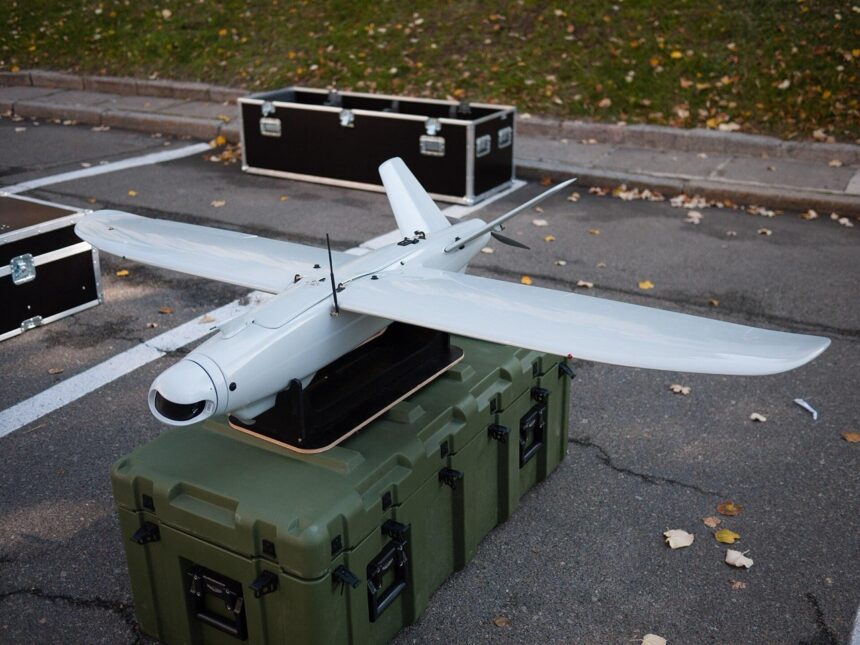
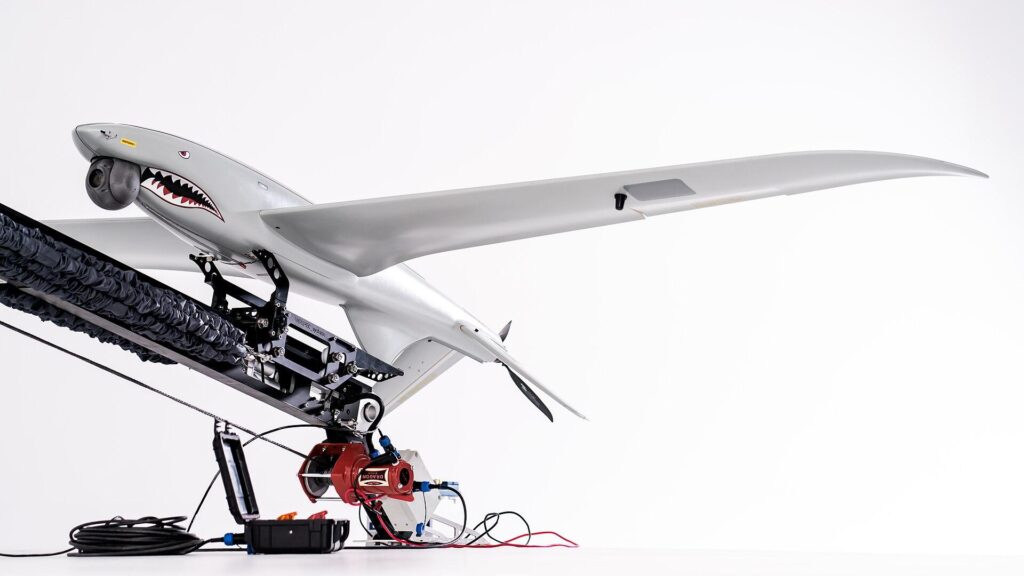
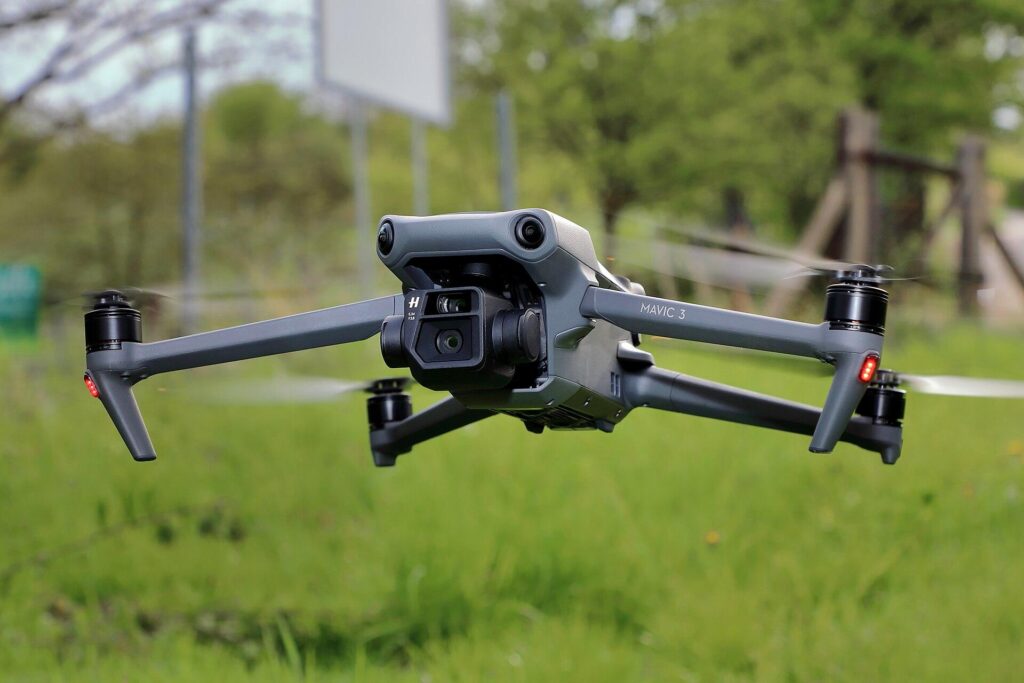
It began with drones built to loiter quietly, a gasoline engine for transit, and an electric motor for a silent final approach. Platforms like Leleka-100, Shark, and PD-2 gave Ukrainian units persistent, hard-to-detect overwatch along the front. From 2022, commercial DJI Mavic-style quadcopters were adapted to drop small munitions, shifting the war from observation to direct strike at a fraction of the cost of a mortar round.
Shaheds and Ukraine’s answer
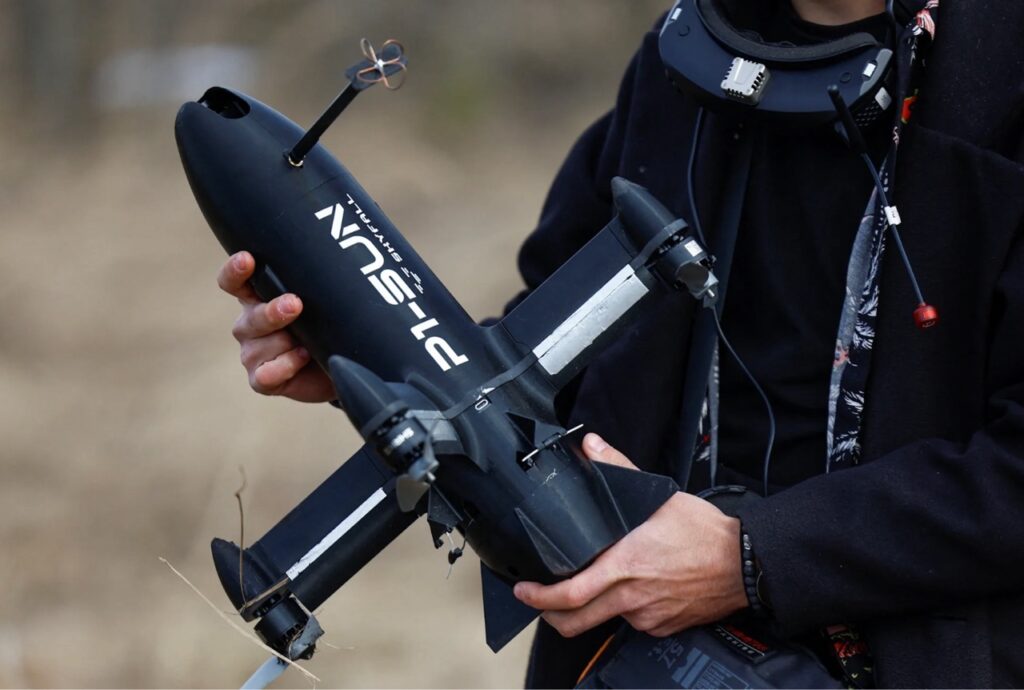
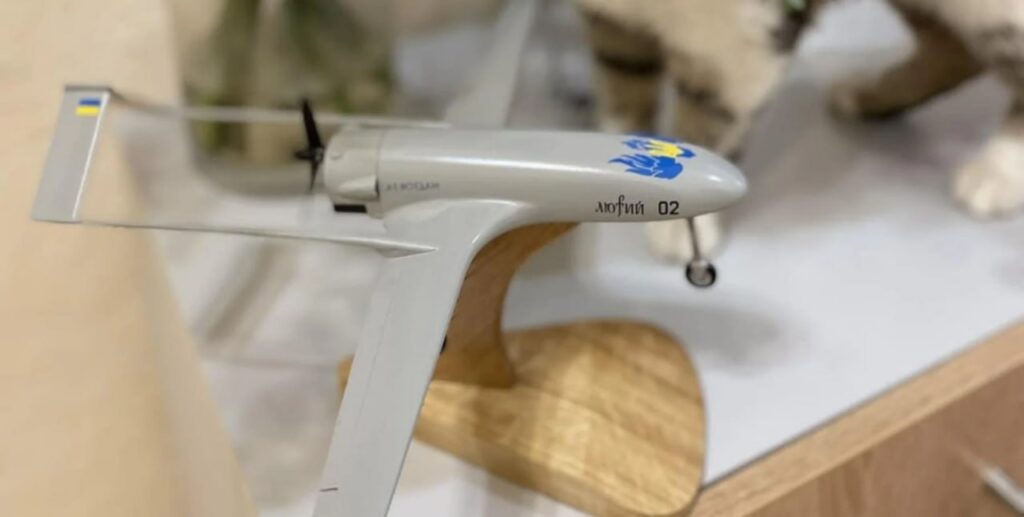
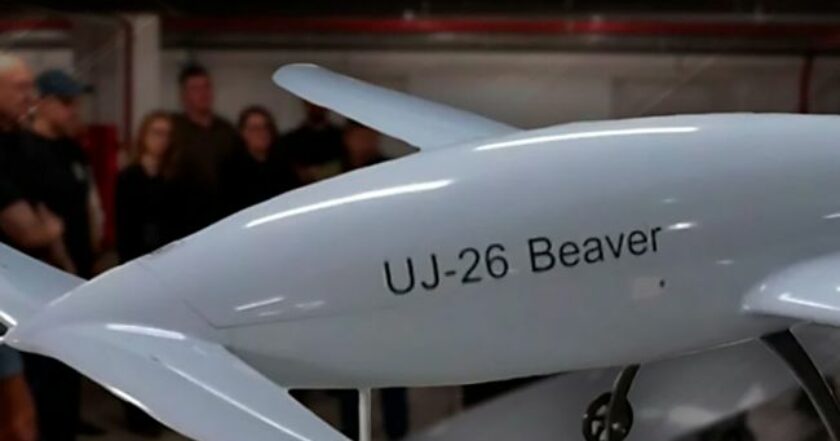
Russia’s first confirmed combat use of Iranian-designed Shahed-136 drones (Geran-2) against Ukraine dates to September 2022, expanding into sustained barrages against cities and energy infrastructure through 2025. Ukraine answered on two fronts. Offensively, it built its own medium- and long-range strike drones, among them Lyutyi and Bober, a category that scaled sharply from 2024 onward, hitting refineries, radars, and logistics deep inside Russia. Defensively, it built a parallel industry of cheap interceptor drones, Sting from Wild Hornets, P1-Sun from Skyfall, and platforms from General Cherry, priced between roughly $1,000 and $3,000 apiece against a Shahed costing up to $50,000 to build. By early 2026, Sting alone had accounted for thousands of intercepted Shaheds, and in April 2026 Ukraine achieved the world’s first Shahed interception launched from an unmanned surface vessel.
Surface drones and the fleet
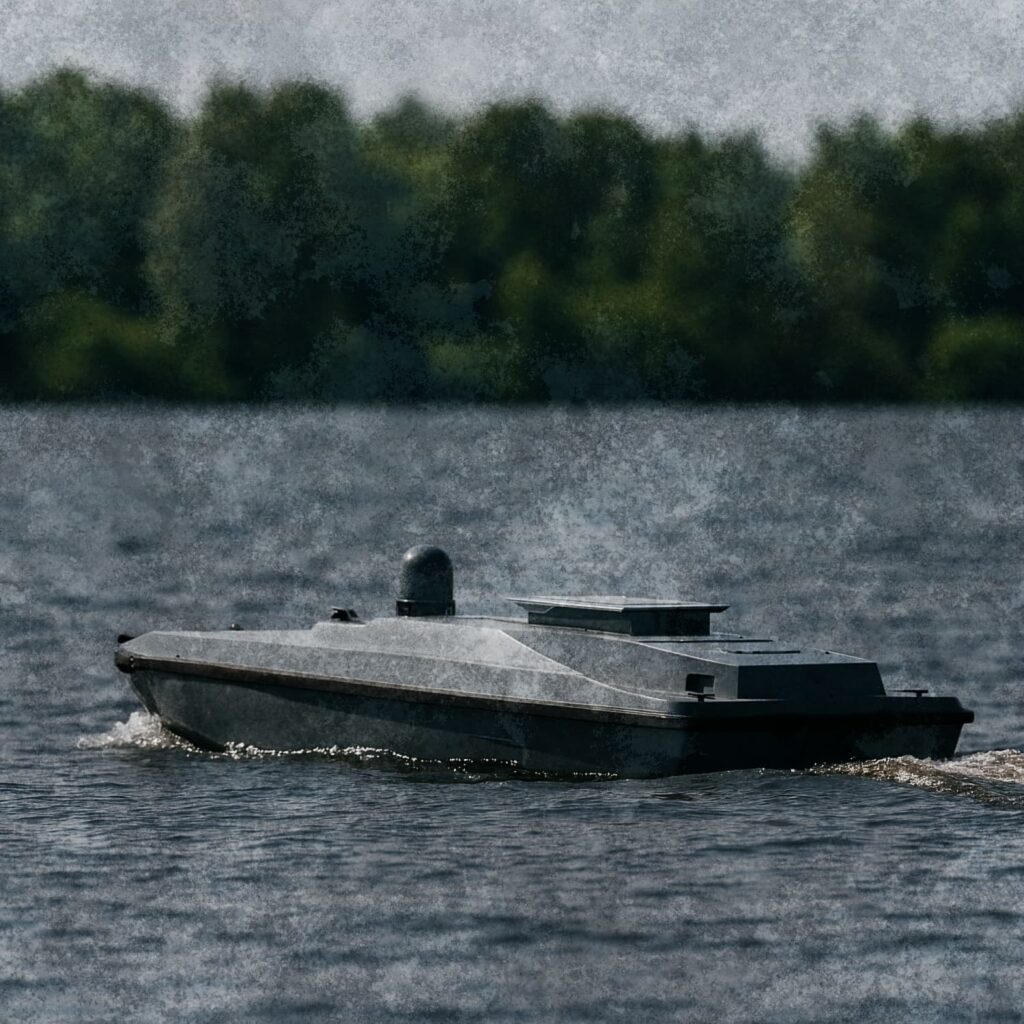
Ukraine’s MAGURA naval drones, built by the Main Directorate of Intelligence of the Ministry of Defence of Ukraine and introduced in 2023, began sinking Black Sea Fleet vessels: the missile boat Ivanovets in February 2024, the landing ship Tsezar Kunikov weeks later, the corvette Sergey Kotov that March. By May 2025, DIU reported 17 targets struck, 15 destroyed, and roughly $500 million in damage, forcing the remaining fleet from Crimea to Novorossiysk. (Figures vary slightly across DIU’s own public statements; some cite 18 targets, so treat this as an approximate, DIU-sourced range rather than an externally audited total.)
Spiderweb hits strategic aviation
On June 1, 2025, Operation Spiderweb sent 117 FPV drones, smuggled inside trucks, against five airbases at once, one strike reaching roughly 4,300 kilometers into Russia. Kyiv claimed 41 aircraft were damaged or destroyed and $7 billion in losses. Independent satellite analysis and NATO assessments confirm a narrower range, 10 to 13 destroyed. What the operation exposed mattered more than the tally: Russia’s air defenses, built for high-altitude threats, had no answer for low-altitude, ground-infiltrated drones.
Missiles on surface drones
On December 31, 2024, a MAGURA V5 armed with a Soviet R-73 downed a Russian Mi-8 helicopter near Crimea, the first known aerial kill by a naval drone. On May 2 to 3, 2025, the upgraded MAGURA V7, carrying American AIM-9 Sidewinders, shot down two Su-30 fighter jets near Novorossiysk, each worth roughly $50 million.
Ground robots and an assault with no infantry
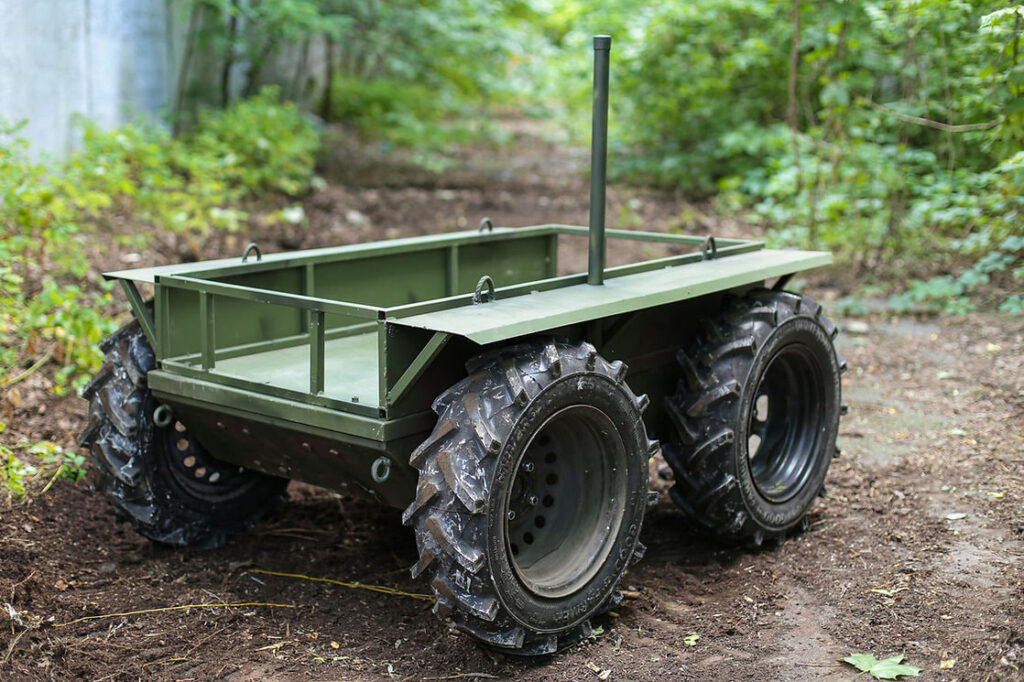
In summer 2025, the NC13 unit of the 3rd Assault Brigade captured a fortified position in Kharkiv Oblast using only drones and ground robots. Zelenskyy cited more than 22,000 such missions in three months in his April 2026 address. Ukraine’s Defense Ministry now targets 50,000 ground robotic systems for 2026.
The kill zone
CFR now describes a “kill zone” running 15 to 20, by some estimates up to 100, kilometers back from the front, generating 75 to 85 percent of frontline casualties. Cheap drones with thermal imaging deny tactical surprise almost entirely. A Modern War Institute critique calls this evolutionary rather than revolutionary, but even that argument doesn’t dispute the mechanism.
Spreading worldwide
The pattern is reproducing elsewhere. Iran launched mass Shahed salvos against U.S. and allied targets in the Gulf during the 2026 war, and Ukraine sent interceptor drones and personnel to Jordan to help counter them, the same Sting and P1-Sun technology built for its own skies now exported to a different front. Hezbollah adopted $300 to $400 fiber-optic FPV drones in Lebanon that carry no jammable radio signal at all. In the Sahel, JNIM’s drone strikes rose from fewer than 10 in 2024 to roughly 80 in 2025. In Sudan, the UN reported over 1,000 civilian deaths from drone strikes between January and May 2026 alone, part of what ACLED measured as a 600 percent year-on-year rise in drone-related deaths.
China is not just watching
Investigations traced at least 41 critical components in Russia’s Geran drones back to Chinese suppliers, despite Moscow’s claim of full localization. The exchange runs both ways: Russia is reportedly helping China build its own Shahed clone, the Sunflower 200. And Reuters reported on March 27, 2026, citing Mitchell Institute senior fellow J. Michael Dahm and satellite imagery, that China has stationed more than 200 obsolete J-6 fighters converted into attack drones across six airbases near the Taiwan Strait, five in Fujian, one in Guangdong. Dahm said these aircraft would function less like remotely piloted drones and more like cruise missiles, launched en masse in the opening hours of any assault to exhaust Taiwan’s far more expensive interceptor stocks before higher-value strikes begin, the same cost-asymmetry logic Ukraine and Russia have both already proven out. Beijing officially denies supplying lethal aid to either side of the Ukraine war, a denial worth stating plainly. But the component trail feeding Alabuga and the Taiwan Strait buildup, read together, look far more like deliberate strategic architecture than passive study.
Each stage here, from silent reconnaissance wings to the kill zone, was a fix for a specific problem, not a grand design. But four years of fixes have quietly rewritten what a battlefield is, and the actor best positioned to prove that lesson next is not hiding it. It is stacking obsolete jets on runways across the strait from Taiwan, in plain sight of the satellites tracking it.